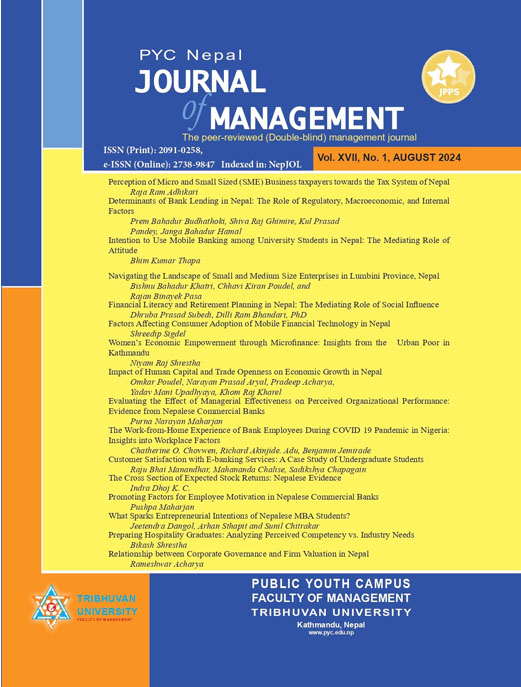
Preparing Hospitality Graduates: Analyzing Perceived Competency vs. Industry Needs
Keywords:
employability skill, USEM, hospitality, undergraduates, self-perceivedAbstract
This study examines hospitality undergraduates’ self-perceived employability skills (USEM) before and after internships, using assessments from 90 student pairs. Employing descriptive statistics and paired sample t-tests, the findings reveal that students perceive higher skill expectations than actual skill possession. The results indicate that undergraduate hospitality programs may not fully equip students with industry-required competencies, despite their awareness of these expectations. However, off-campus internships provide hands-on learning experiences that enhance employment prospects and help students recognize gaps in their skills. To bridge these gaps, curriculum developers should integrate both generic and technical skills into course designs. Colleges must implement university-designed programs strategically, ensuring that students acquire the necessary competencies. Additionally, academicians should emphasize the importance of USEM model skills and provide opportunities for students to develop them during their studies. Strengthening the connection between academic learning and practical experience will better align hospitality education with industry demands, ultimately improving graduate employability.
Downloads
Published
How to Cite
Issue
Section
License
© Public Youth Campus

