Vol. 26 No. 1 (2026): Special Issue on Forest Fire Management in Nepal

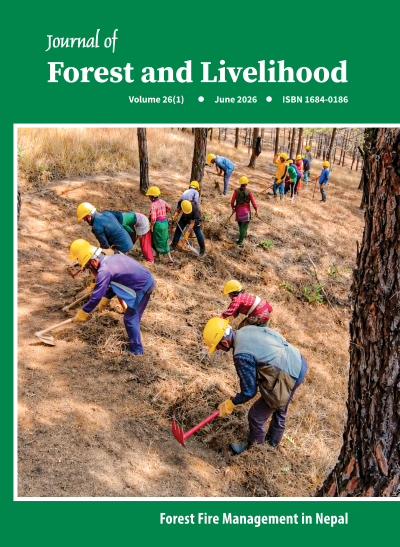
Community creating a fire line in a forest

Nepal’s forest fires have escalated from seasonal events to a recurring hazard, with more than 34,700 incidents recorded since 2008. While hotter and drier conditions elevate fire weather risks, impacts are amplified by institutional fragmentation and weak incentives for prevention and response. Post 2015 federal restructuring has delegated authority across different government tiers, though the clarity of roles and responsibilities and the outcomes is still a question. On the other hand, contributions of local communities and community-based response to forest fires have largely remained voluntary, that is compounded by lack of tools and capacity, thus posing risks to lives and property. A shift from episodic suppression to risk-based stewardship is required, centered on a clarified operational command structure, dedicated preparedness financing, and formal recognition of community's role as an essential service. Effective fire management in federal Nepal demands clearly delineated roles across a range of actors. Nevertheless, a well-established, operational chain of command remains absent. In practice, overlapping mandates can leave municipalities accountable for outcomes but constrained in both authority and resources. To address these concerns, this special issue of the Journal of Forest and Livelihood brings together interdisciplinary research and perspectives on forest fire management, highlighting the key issues, challenges, and emerging approaches in the Nepalese context.

Published: 2026-07-03
